

Exploring the Ramulas Chronicles and Their Insights on Today's Fuel Shortages
- Adam j Scholte
- Mar 17
- 3 min read

Fuel shortages have become a pressing issue in many parts of the world, affecting daily life, economies, and global stability. While this challenge feels very modern, literature sometimes offers unexpected perspectives on current problems. The Ramulas Chronicles, a series of novels set in a world grappling with resource scarcity and societal upheaval, provides valuable insights that resonate with today’s fuel crisis. This post explores how these novels relate to fuel shortages and how their themes can help readers navigate these difficult times.
The Ramulas Chronicles: A Brief Overview
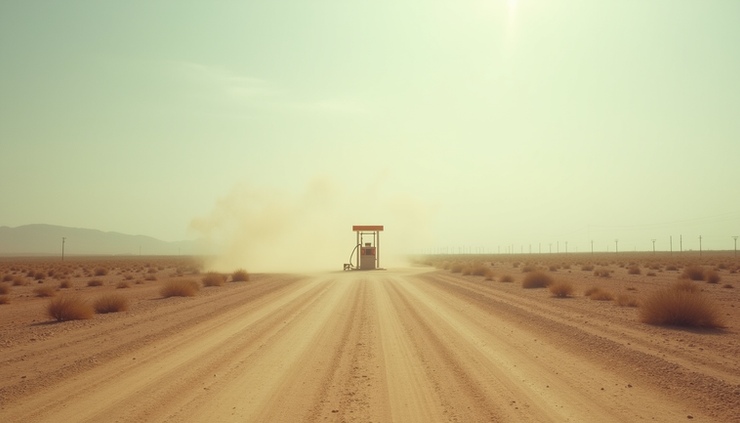
The Ramulas Chronicles is a fictional series set in a world where energy resources have dwindled, forcing societies to adapt or collapse. The novels follow characters who face the consequences of fuel scarcity, exploring themes such as survival, innovation, community, and resilience. Although the setting is fictional, the challenges portrayed mirror real-world issues related to energy dependence and resource management.
The series highlights how societies respond to shortages, including the rise of alternative energy sources, shifts in social structures, and the importance of cooperation. These elements make the Ramulas Chronicles a useful lens through which to view current fuel shortages.
Parallels Between the Chronicles and Today’s Fuel Shortages
Fuel shortages today stem from a mix of geopolitical tensions, supply chain disruptions, and environmental concerns. The Ramulas Chronicles captures similar dynamics, showing how scarcity triggers economic strain and social change. Here are some key parallels:
Resource Scarcity and Social Impact
In the novels, fuel scarcity leads to rationing, black markets, and social unrest. This reflects real-world situations where fuel shortages cause long lines at gas stations, increased prices, and public frustration.
Shift to Alternative Energy
Characters in the Ramulas Chronicles innovate by developing renewable energy sources and more efficient technologies. Today, the push for electric vehicles, solar power, and biofuels echoes this shift.
Community and Cooperation
The series emphasizes how communities band together to share resources and knowledge. This mirrors grassroots efforts today, such as carpooling initiatives and local energy cooperatives.
Government and Policy Challenges
The novels depict governments struggling to balance control and freedom during crises. Similarly, modern policymakers face tough decisions about fuel allocation, subsidies, and environmental regulations.
Understanding these parallels helps readers see fuel shortages not just as a logistical problem but as a complex social challenge requiring multifaceted solutions.
How the Ramulas Chronicles Can Help People Today
The Ramulas Chronicles offers more than just a story; it provides practical lessons and emotional support for those facing fuel shortages. Here’s how the novels can help:
Encouraging Adaptability and Innovation
The characters’ ability to adapt inspires readers to think creatively about their own energy use. For example, the novels showcase:
Using alternative transportation methods
Repurposing existing resources
Embracing new technologies
This mindset encourages individuals and communities to explore practical solutions like biking, car-sharing, or installing solar panels.
Highlighting the Power of Community
The series shows that cooperation can ease the burden of scarcity. Readers learn the value of:
Sharing resources with neighbors
Organizing local support networks
Communicating openly about challenges
These actions build resilience and reduce isolation during tough times.
Providing Emotional Resilience
Fuel shortages can cause anxiety and uncertainty. The Ramulas Chronicles offers a narrative of hope and perseverance, reminding readers that hardship can lead to growth and stronger bonds. This emotional support helps people maintain a positive outlook.
Offering a Framework for Policy Understanding
By depicting government responses, the novels help readers understand the complexities behind fuel policies. This awareness can foster more informed discussions and civic engagement.
Practical Takeaways Inspired by the Ramulas Chronicles
Drawing from the novels, here are some practical steps individuals and communities can take during fuel shortages:
Reduce Fuel Consumption
Walk, bike, or use public transport when possible. Plan trips to combine errands and reduce unnecessary driving.
Explore Alternative Energy
Consider solar panels, electric vehicles, or biofuels as long-term solutions.
Build Community Networks
Share rides, tools, and information with neighbors to stretch resources further.
Stay Informed and Engaged
Follow local policies and participate in discussions about energy use and sustainability.
Prepare for Emergencies
Keep essential supplies and have backup plans for transportation and heating.
These steps reflect the adaptive strategies seen in the Ramulas Chronicles and can help mitigate the impact of fuel shortages.
The Broader Message of the Ramulas Chronicles
Beyond fuel shortages, the Ramulas Chronicles encourages readers to rethink their relationship with resources and the environment. The novels suggest that sustainable living and community solidarity are key to overcoming crises. This message is particularly relevant today as the world faces not only fuel shortages but also climate change and economic uncertainty.
By engaging with the series, readers gain a deeper understanding of how individual actions and collective efforts shape the future. The stories remind us that challenges can spark innovation and strengthen social bonds.


Comments